
Your cart is empty
.png)
Master Project Management in 12 Weeks: The Roadmap to Becoming a Certified PMP
Achieving the PMP certification is a major milestone, and with a structured 12-week roadmap, it's more attainable than ever. By committing to this plan, practicing regularly, and staying focused, you’ll be well on your way to becoming a Certified PMP and a highly valued project management professional.
Table of Contents
- Why the pmp certification matters?
- Your 12-week pmp preparation roadmap
- Week 1–2: build your pmp foundation
- Week 3–4: master project frameworks and fundamentals
- Week 5–6: develop practical application skills
- Week 7–8: apply your knowledge
- Week 9–10: strengthen weak areas
- Week 11: final exam preparation
- Week 12: exam week
- Additional tips for success
- What you will achieve after 12 weeks?
In today’s fast-paced and competitive business landscape, becoming a Certified Project Management Professional (PMP) is one of the most powerful career moves you can make. The PMP certification is recognized globally as the gold standard for project management excellence. It demonstrates mastery in leadership, methodology, and strategic execution—skills that employers value now more than ever.
But here’s the good news: you can master project management and prepare to pass the PMP exam in as little as 12 weeks with the right structure, tools, and disciplined approach.
This guide walks you step-by-step through a practical 12-week roadmap designed to take you from aspiring project manager to confident PMP candidate.
Why the PMP Certification Matters?
Before diving into the roadmap, it’s important to understand the value of becoming PMP certified.
The PMP validates your expertise in:
-
Project planning
-
Risk management
-
Leadership and communication
-
Scope, schedule, and cost control
-
Agile, predictive, and hybrid methodologies
With organizations increasingly demanding professionals who can handle complexity, manage distributed teams, and deliver predictable results, the PMP certification gives you credibility and a competitive advantage.
Your 12-Week PMP Preparation Roadmap
Below is a clear, organized 12-week structure that helps you learn, practice, and confidently prepare for the PMP exam.
Week 1–2: Build Your PMP Foundation
Understand the Exam Structure
Begin by reviewing the PMP Exam Content Outline, which is based on three domains:
-
People
-
Process
-
Business Environment
This gives you clarity on what the PMP exam actually tests.
Gather Study Resources
To succeed, you’ll need high-quality learning materials, such as:
-
The PMBOK® Guide
-
A reliable PMP prep book
-
Online lessons or bootcamps
-
PMP practice questions and mock exams
Create a study plan that outlines daily and weekly goals. Consistency is key to mastering the content.
Week 3–4: Master Project Frameworks and Fundamentals
Learn Project Management Methodologies
During these two weeks, focus on:
-
Predictive (waterfall) project lifecycles
-
Agile frameworks such as Scrum and Kanban
-
Hybrid approaches that combine both
Understanding these models is essential because the PMP exam emphasizes real-world application.
Deep Dive Into Core Processes
Study the foundational process groups:
-
Initiating
-
Planning
-
Executing
-
Monitoring and Controlling
-
Closing
Use diagrams and flowcharts to visualize how these processes interact.
Week 5–6: Develop Practical Application Skills
Build Leadership and People Skills
The PMP exam focuses heavily on the People domain, including:
-
Conflict resolution
-
Stakeholder engagement
-
Team motivation
-
Communication strategies
Practice Agile and Hybrid Concepts
Because modern projects often combine methodologies, focus on:
-
Scrum events
-
Agile ceremonies
-
Product backlog management
-
Cross-functional team leadership
These concepts appear frequently on the exam and reflect real-world expectations.
Week 7–8: Apply Your Knowledge
Solve Situational Questions
The PMP exam uses scenario-based questions. At this stage, practice applying your knowledge by:
-
Choosing the best answer, not just a good one
-
Thinking like a project manager
-
Understanding what aligns with PMI principles
Take Your First Full Mock Exam
Use the results to identify:
-
Weak knowledge areas
-
Topics that require deeper review
-
Whether you need to adjust your study strategy
Week 9–10: Strengthen Weak Areas
Focus on Gaps
Review tricky topics such as:
-
Risk management strategies
-
Critical path method
-
Earned value management
-
Change control processes
Increase Practice Question Volume
Aim for at least 50–100 questions per session. Repetition builds confidence and improves accuracy.
Week 11: Final Exam Preparation
Complete 2–3 Mock Exams
Your goal is to consistently score:
-
75%–80% or higher
This indicates you’re ready for the real test.
Review Core Documents
Refresh your understanding of common project artifacts:
-
Project charter
-
Risk register
-
Stakeholder register
-
RACI charts
-
Change request logs
These are frequently referenced in PMP questions.
Week 12: Exam Week
Focus on Review, Not Learning
Spend this week revisiting:
-
Flashcards
-
Notes
-
Agile definitions
-
Important formulas
Avoid trying to learn new concepts—this is your time to consolidate.
Prepare Mentally and Physically
The PMP exam lasts nearly 4 hours. Ensure you are:
-
Well-rested
-
Calm
-
Focused
-
Confident
Then walk into the exam ready to succeed!
Additional Tips for Success
To maximize your chances of passing the PMP exam in 12 weeks, follow these best practices:
✔ Stay Consistent
Daily study—even for 45–60 minutes—adds up.
✔ Use Active Learning
Highlight key concepts, create flashcards, and teach concepts to others.
✔ Track Your Progress
Review your performance weekly and adjust your plan.
✔ Join a Study Group
Accountability and shared knowledge accelerate learning.
✔ Take Practice Exams Seriously
Simulate real testing conditions to build stamina and confidence.
What You Will Achieve After 12 Weeks?
By following this roadmap, you’ll develop:
-
Strong understanding of project management principles
-
Confidence in applying methodologies
-
Ability to manage real-world project scenarios
-
Readiness to pass the PMP exam on your first attempt
-
A globally recognized credential that elevates your career
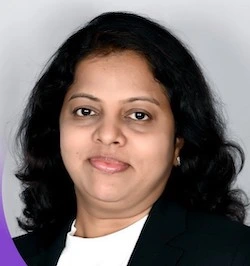
About Anita Ankam
Anita Ankam – Expert Project Management Instructor
Anita Ankam is a highly experienced and certified project management instructor, specializing in globally recognized methodologies such as PMP®, PMI-ACP®, DASM®, and DASSM®. With an extensive academic background, including an MBA and MSc, Anita holds multiple industry-leading certifications, including PRINCE2, PRINCE2 Agile Practitioner, CSM, ASM, ITIL, and Six Sigma Black Belt.
As an authorized training instructor, Anita has guided countless professionals in mastering project management frameworks and agile practices. Know more.
Related Posts
 (1).png)
.png)


Featured Links
Contact us
- PMP® Certification Course |
- CAPM Certification Course |
- PMP Certification Training in Mumbai |
- PMP Certification Training in Pune |
- PMP Certification Training in Hyderabad |
- PMP Certification Training in Delhi |
- PMP Certification Training in Chennai |
- PMP Certification Training Course in Ahmedabad |
- PMP Certification Training Course in Bangalore |
- PMP Certification Training Course in Bhubaneswar |
- PMP Certification Training Course in Chandigarh |
- PMP Certification Training Course in Gandhinagar |
- PMP Certification Training Course in Faridabad |
- PMP Certification Training Course in Dombivli |
- PMP Certification Training Course in Coimbatore |
- PMP Certification Training Course in Ghaziabad |
- PMP Certification Training Course in Gurgaon |
- PMP Certification Training Course in Indore |
- PMP Certification Training Course in Jaipur |
- PMP Certification Training Course in Mysore |
- PMP Certification Training Course in Lucknow |
- PMP Certification Training Course in Kolkata |
- PMP Certification Training Course in Kochi |
- PMP Certification Training Course in Nagpur |
- PMP Certification Training Course in Navi Mumbai |
- PMP Certification Training Course in Patna |
- PMP Certification Training Course in Pimpri |
- PMP Certification Training Course in Vadodara |
- PMP Certification Training Course in Trivandrum |
- PMP Certification Training Course in Thane |
- PMP Certification Training Course in Surat |
- PMP Certification Training Course in Noida |
- PMP Certification Training Course in Visakhapatnam |
- PMP® Certification Training Course in Doha |
- PMP Certification Training in New York |
- PMP Certification Training Course in Chicago |
- PMP Certification Training in Austin |
- PMP Certification Training in Minneapolis |
- PMP Certification Training in Atlanta |
- PMP Certification Training in Dallas |
- PMP Certification Training in San Diego |
- CAPM Certification Training in Mumbai |
- CAPM Certification Training in Bangalore |
- CAPM Certification Training in Hyderabad |
- CAPM Certification Training in Delhi |
- CAPM Certification Training in Pune |
- CAPM Certification Training in Chennai |
- CAPM certification Training in Kolkata |
- CAPM certification Training in Gurgaon |
- CAPM certification Training in Noida |
- CAPM Certification Training in Ahmedabad |
- PMI Certified Professional in Managing AI (PMI-CPMAI)™ |
- PMI-RMP - PMI Risk Management Professional |
- PMI-PMOCP - PMI® Project Management Office Certified Professional
- AZ-900: Microsoft Azure Fundamentals |
- AZ-104: Microsoft Azure Administrator |
- AZ-204: Developing Solutions for Microsoft Azure |
- AZ-305: Designing Microsoft Azure Infrastructure Solutions |
- AZ-400: Designing and Implementing Microsoft DevOps Solutions |
- AZ-500: Microsoft Azure Security Technologies |
- AI-900: Microsoft Azure AI Fundamentals |
- DP-900: Microsoft Azure Data Fundamentals |
- CLF-C02: AWS Certified Cloud Practitioner |
- GCP-FC: Cloud Digital Leader |
- GCP-ACE: Associate Cloud Engineer |
- GCP-PCA: Professional Cloud Architect |
- GCP-PCD: Professional Cloud Developer |
- GCP-PCE: Professional Cloud DevOps Engineer |
- GCP-PDE: Professional Data Engineer |
- GCP-PCNE: Professional Cloud Network Engineer |
- GCP-PCSE: Professional Cloud Security Engineer |
- GCP-ML: Professional Machine Learning Engineer |
- GCP-PBA: Professional Business Intelligence Analyst |
- DP-100: Designing and Implementing a Data Science Solution on Azure |
- DP-203: Data Engineering on Microsoft Azure
- PMP® is a registered mark of the Project Management Institute, Inc.
- CAPM® is a registered mark of the Project Management Institute, Inc.
- PMI-ACP® is a registered mark of the Project Management Institute, Inc.
- Certified ScrumMaster® (CSM) ia a registered trademark of SCRUM ALLIANCE®
- While we strive to ensure that all prices listed on our website are accurate, we reserve the right to modify them at any time without prior notice.
Copyright © Certifyera Consulting Services. All Rights Reserved | Designed and Developed by WebAnaya